
Discussions
Wordle Unlimited: A Deep Dive into the Viral Word Game and Its Endless Variant
Wordle captured global attention in late 2021 as a deceptively simple daily word puzzle that encouraged shared triumphs and lighthearted competition. Wordle Unlimited — the variant that removes the “once per day” constraint — extends that core gameplay into an open-ended, replayable experience. This article examines what Wordle Unlimited is, why people play it, its strengths and weaknesses, and the broader implications for casual gaming, social interaction, and cognitive engagement.
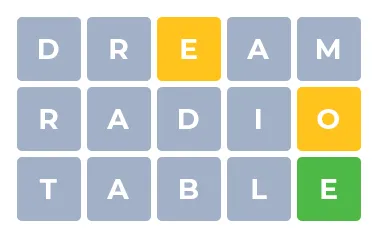
What is Wordle Unlimited?
Wordle: the original web-based game challenges players to guess a five-letter English word in six tries. Feedback after each guess uses color-coding (correct letter and place, correct letter wrong place, absent letter).
Wordle Unlimited: any of several fan-made versions that let players play as many rounds as they want, often adding modes (harder word lists, longer words, multiplayer rooms, statistics tracking). It preserves the core mechanics but removes the social pacing imposed by the original once-daily puzzle.
Why players gravitate toward Wordle Unlimited
Replayability and practice: unlimited plays allow skill-building. Players test strategies (letter frequency, opening words), refine heuristics, and reduce reliance on luck.
Variety and customization: many variants introduce longer word lengths (6–8 letters), themed lists (proper nouns, slang), or difficulty tiers that appeal to diverse tastes.
Social and competitive hunger: while the original fosters synchronous social sharing, Unlimited supports immediate rematches, private tournaments, and head-to-head play—ideal for groups who want continuous interaction.
Wellness and cognitive benefits: short, focused puzzles can boost mood and executive function. Unlimited play fits quick breaks or longer stretches for mental stimulation.
Strengths of the Unlimited model
Accessibility: anyone can jump in whenever they have time; no need to wait 24 hours.
Learning curve: repeated practice accelerates mastery; analytical players can experiment with systematic approaches.
Community innovation: fan developers expand the game’s possibilities—multiplayer rooms, analytics dashboards, and educational variants introduce new experiences and learning opportunities.
Criticisms and potential downsides
Diminished novelty: removing scarcity can lessen the excitement of each puzzle. The original’s single daily challenge generated ritual and anticipation that some find satisfying.
Compulsive play: the frictionless nature of Unlimited can encourage longer sessions, potentially turning a pleasant pastime into a time sink.
Fragmentation and quality control: diverse fan versions vary widely in word list quality and UX. Some use obscure or nonstandard words, which can frustrate players and undermine fairness.
Social dilution: original Wordle’s synchronized experience created social moments (everyone gets the same puzzle).
Unlimited fragments that shared conversation into asynchronous, incomparable results.